For local manufacturing owners, plant managers, and tech-curious operations leaders, the hardest part of modernizing isn’t buying new equipment, it’s preparing people for a different kind of work. Automation impact on jobs and AI in manufacturing are accelerating factory job evolution, and the industrial workforce challenges show up fast: roles change, expectations rise, and a digital skills gap opens between what the floor needs and what teams have practiced. That creates a tense automation workforce transition where employees can feel uncertain and leaders feel pressure to justify every move on a tight budget. The payoff is a clearer, more confident way to align new technology with stronger, more capable teams.
What Smart Factories Change on the Floor
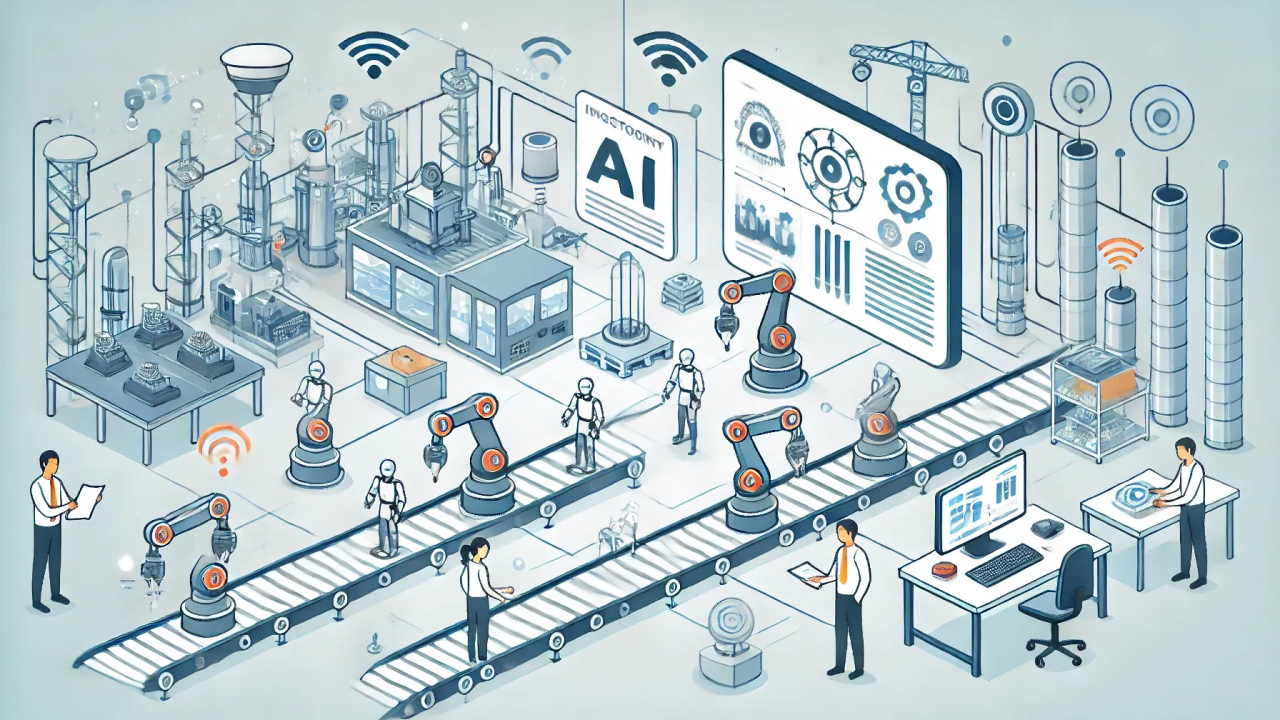
Smart factory technology is not just new machines. It is the transformation of people processes powered by the use of data to guide decisions in real time. On the floor, that shift turns automation and AI into daily teammates, and work moves toward monitoring, troubleshooting, and improving.
This matters because the value is not only faster output, but steadier quality and fewer fire drills. For owners and operators, it also makes hiring and retention easier when roles feel like skill-building, not grind. It even creates clearer stories to market to customers who want reliability and transparency.
Think of it like upgrading from a basic cash register to a modern POS system. The job shifts from punching buttons to spotting patterns, fixing exceptions, and coaching the system. That role shift makes the reskilling path easier to map and measure.
Choose a Structured IT Learning Path for Smart‑Factory Reskilling
When the work shifts from doing the same task repeatedly to managing connected systems, the fastest wins come from building real digital fluency. Earning an IT degree can help workers develop the digital, analytical, and systems-integration skills that smart factories increasingly expect, so you can collaborate confidently with advanced technologies instead of feeling replaced by them.
That foundation makes it easier to move into higher-value roles where you’re operating, supervising, and optimizing automated equipment and data-driven processes, rather than only handling manual steps. Just as important, an online path can fit real life: you can keep working full-time while you study, so you’re gaining skills without putting your paycheck on pause. If you want a structured, certification-aligned route you can follow at your own pace, explore these information technology program tracks as a next step.
Smart Factory Job Changes: Your Top Questions
Q: What’s the truth about “robots taking all the jobs”?
A: Automation changes tasks faster than it eliminates work entirely. The World Economic Forum projects 170 million new roles created by 2030, driven by new needs in data, maintenance, quality, and system oversight. A practical move is to inventory which steps in your workflow can be automated and which require judgment, troubleshooting, or customer context.
Q: How does reskilling actually help, beyond a motivational poster?
A: Reskilling works when it is tied to real equipment, software, and daily decisions, not generic training. Many teams see faster mobility because structured reskilling programs see a 70% faster role transition. Start by choosing one role to “upgrade,” then define three job-ready skills and a 30-day practice plan.
Q: Which smart factory roles are growing for digitally adaptive teams?
A: Look for jobs that sit between operations and tech: automation tech, production data analyst, quality systems lead, and digital maintenance planner. These roles reward people who can read dashboards, spot patterns, and coordinate fixes across teams. Ask your manager or vendor which metrics drive downtime and scrap, then learn the tools behind them.
Q: When should a small business adopt automation without scaring employees?
A: Adopt it when you can clearly explain what pain it removes, such as rework, safety risk, or scheduling chaos. Involve the people doing the work in tool selection and pilot testing, then make the “new responsibilities” explicit. A short pilot with clear success metrics builds trust.
Q: Can smart factories improve marketing and customer experience, too?
A: Yes, because better visibility into production can improve delivery promises, customization, and service updates. Use shop-floor data to create accurate lead times, proactive order notifications, and content that proves reliability. One good next step is a simple weekly report that connects capacity, lead time, and customer messaging.
Build a Reskilling Program That Employees Actually Use
If reskilling feels like “extra work after work,” people will avoid it, no matter how good the content is. The win is a program that fits real jobs, respects real schedules, and helps employees see opportunity (not replacement) in smart factory changes.
- Pick 1–3 priority roles, not “train everyone”: Start where automation is already changing tasks, like machine operators shifting into quality monitoring, or maintenance techs learning sensor-based troubleshooting. Write a one-page “role snapshot” with today’s top tasks, the tasks that are growing, and the tech that’s driving the change. This directly addresses the fears you heard in common automation questions: clarity lowers anxiety and makes learning feel purposeful.
- Map training to real workflows in 30-minute chunks: Break skills into “use it this week” lessons: reading a dashboard alert, tagging a defect with the right reason code, or doing a safe restart after a fault. Put each lesson into a simple checklist that matches the actual shift flow, then ask supervisors to assign one checklist item per week. Programs fail when training is disconnected from the job, limited relevance to their current roles is a common reason people disengage.
- Make time visible on the schedule (and protect it): Treat learning like a production input, not a perk. Reserve two 30-minute “skill blocks” per week per person during low-demand windows, and publish it on the same board or system you use for shift coverage. This matters when employees have limited time to participate, so leaders need to solve the calendar problem, not just the content problem.
- Build a buddy system for human–machine collaboration: Pair a “process expert” with a “tech-comfortable” teammate for two weeks at a time. Give them a shared mission like “reduce false alarms by 10%” or “cut changeover time by 5 minutes,” so learning happens through problem-solving, not lectures. Rotate pairs so knowledge spreads and no one becomes the single point of failure.
- Use micro-credentials tied to privileges employees care about: Keep it simple: 3 levels per role (Foundational, Operator-Plus, Lead). Each level should unlock something tangible, running a higher-value line, qualifying for overtime on specific equipment, or being eligible to train others. When skills translate into real autonomy, your employee reskilling programs feel empowering instead of punitive.
- Track progress like operations: one dashboard, three metrics: Measure (1) participation, (2) skill demonstration on the floor, and (3) business impact (scrap rate, downtime, rework, safety near-misses). Review it monthly with supervisors and employee reps, then adjust the training map the same way you’d tune a process. This is leadership in tech transformation: treat learning as a system you improve, not an event you announce.
Win the Future by Pairing Automation With Employee Empowerment
Automation can feel like a tug-of-war between efficiency and job security, especially when new systems arrive faster than people can adapt. The path forward is treating “smart” as technology and workforce synergy, designing roles, training, and trust alongside the tools, so human value in automation stays front and center. When that mindset guides change, employee empowerment in smart factories grows, digital transformation success becomes repeatable, and the future of manufacturing jobs looks more resilient and rewarding. Smart factories succeed when people and machines get better together. Pick one role to modernize and one support action to launch this month, because stronger skills and shared confidence are what keep operations stable, competitive, and ready for what’s next.